The Everyday-Carry Medicine Kit: A Checklist by Need
What goes around the medicine in an everyday-carry kit, plus where allergy, asthma, diabetes, seizure, and heart groups point you for the contents.
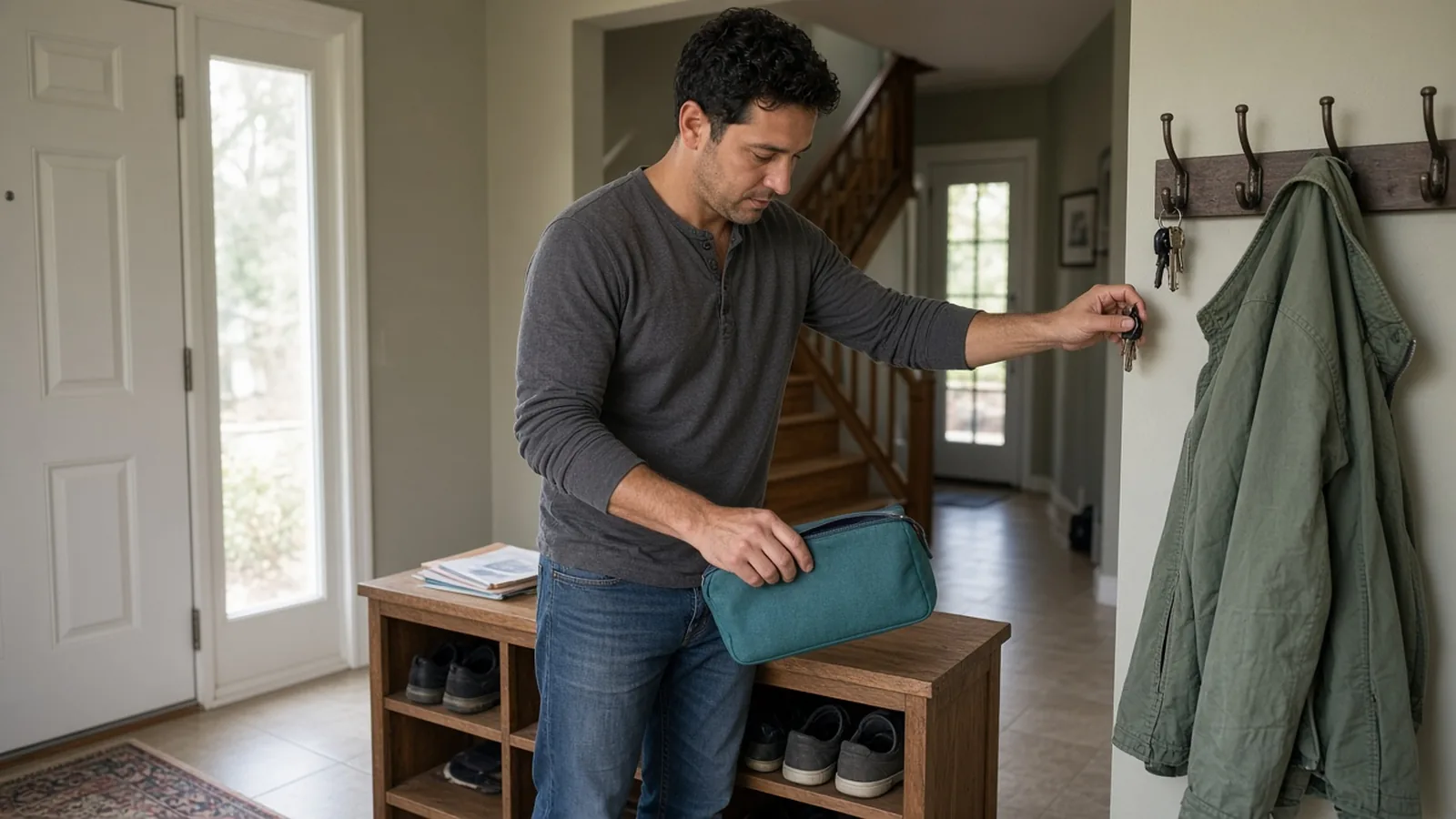
A medicine kit only works as a kit if it is the same bag, with the same things in it, every time it leaves the house.
That sounds obvious. In practice, kits drift. A copy of the plan gets pulled out for a school form and never goes back. Someone moves the medicine to a jacket pocket for one afternoon. A second kit lives in the car, and nobody is sure which one is current.
This checklist is about the bag around the medicine. What medicine goes inside, and how much, is set by the written plan from your clinician and by the medicine's label. We are not going to tell you what to carry for a health condition. Where a health group or agency has published a list, we link to it and quote it.
Part 1: The basics for any kit
These are logistics items. They make the kit easy to find, easy to identify, and easy for another adult to use as your plan directs.
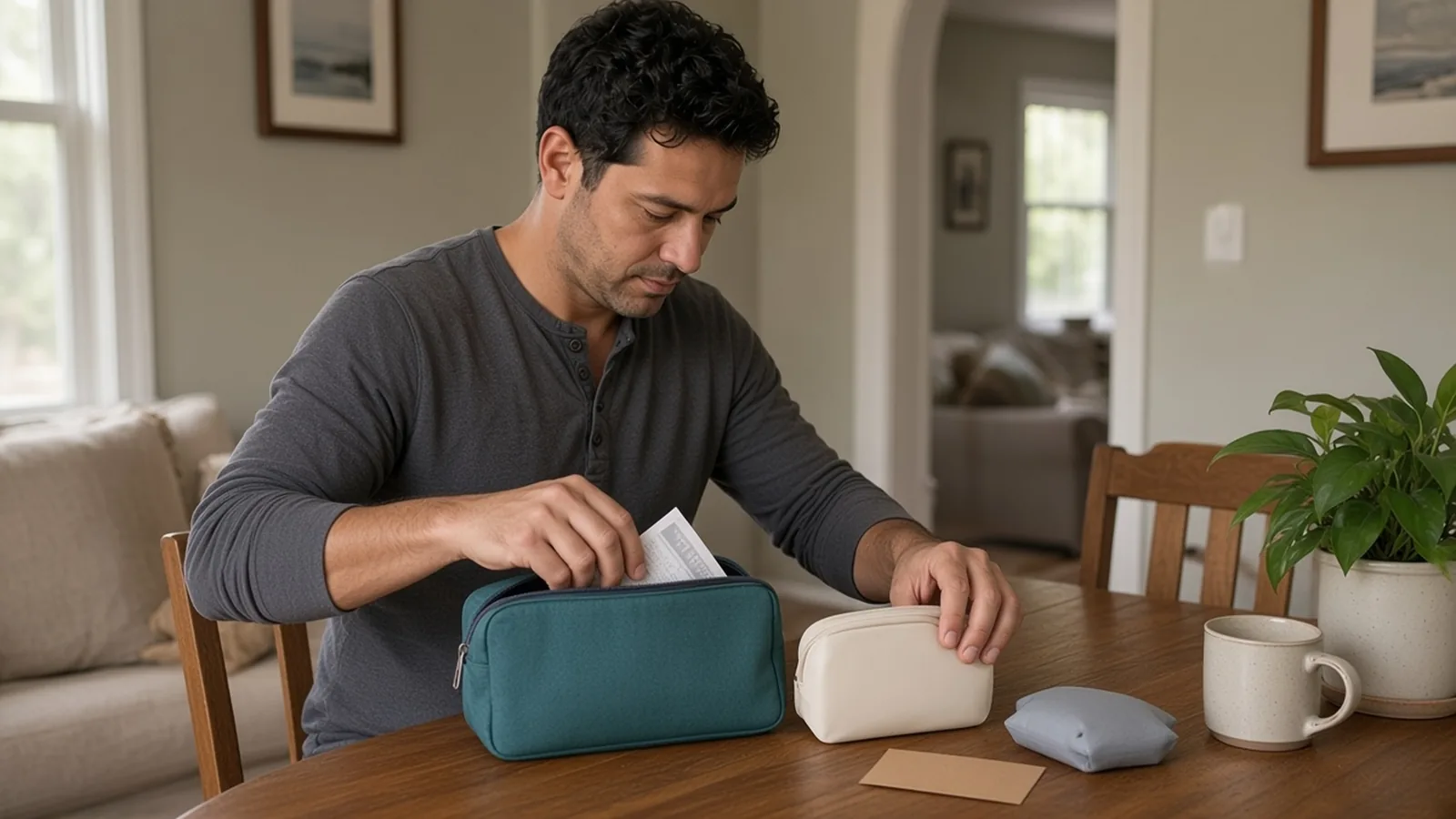
- The right bag. One bag that is used every day, the same color and shape, with room for everything without forcing the zipper. A bag that stands out is easier to spot in a pile of backpacks.
- A name and a phone number on the outside. So a coach, teacher, or stranger can return it.
- A copy of the written plan inside. The Epilepsy Foundation suggests keeping a copy of a seizure action plan with you at all times, in a purse, pocket, wallet, or backpack (Epilepsy Foundation). FARE suggests keeping its food allergy care plan in a place where others can find it (FARE). The same habit works for any need.
- Medicine in its original labeled packaging. The CDC recommends keeping medicines in their original labeled containers when traveling (CDC). The pharmacy label also tells other adults whose medicine it is.
- An emergency contacts card. Names and numbers, listed first to last in the sequence to call them. Paper still works when a phone is dead.
- A note of expiration dates. The FDA says the expiration date is printed on the label or stamped on the bottle or carton, sometimes after "EXP," and that once it has passed there is no guarantee the medicine will be safe and effective (FDA). Writing the dates on a card inside the kit makes them easy to check.
- Storage per the label. The FDA says to read the label for specific storage instructions, since some medicines need refrigeration and others cannot be exposed to high temperatures (FDA). Follow what your medicine's label says.
Part 2: By need
For each need, here is what the health group or agency says, in their words, and where to find their plan or list. If your clinician's plan says something different, follow your clinician's plan.
Severe allergy
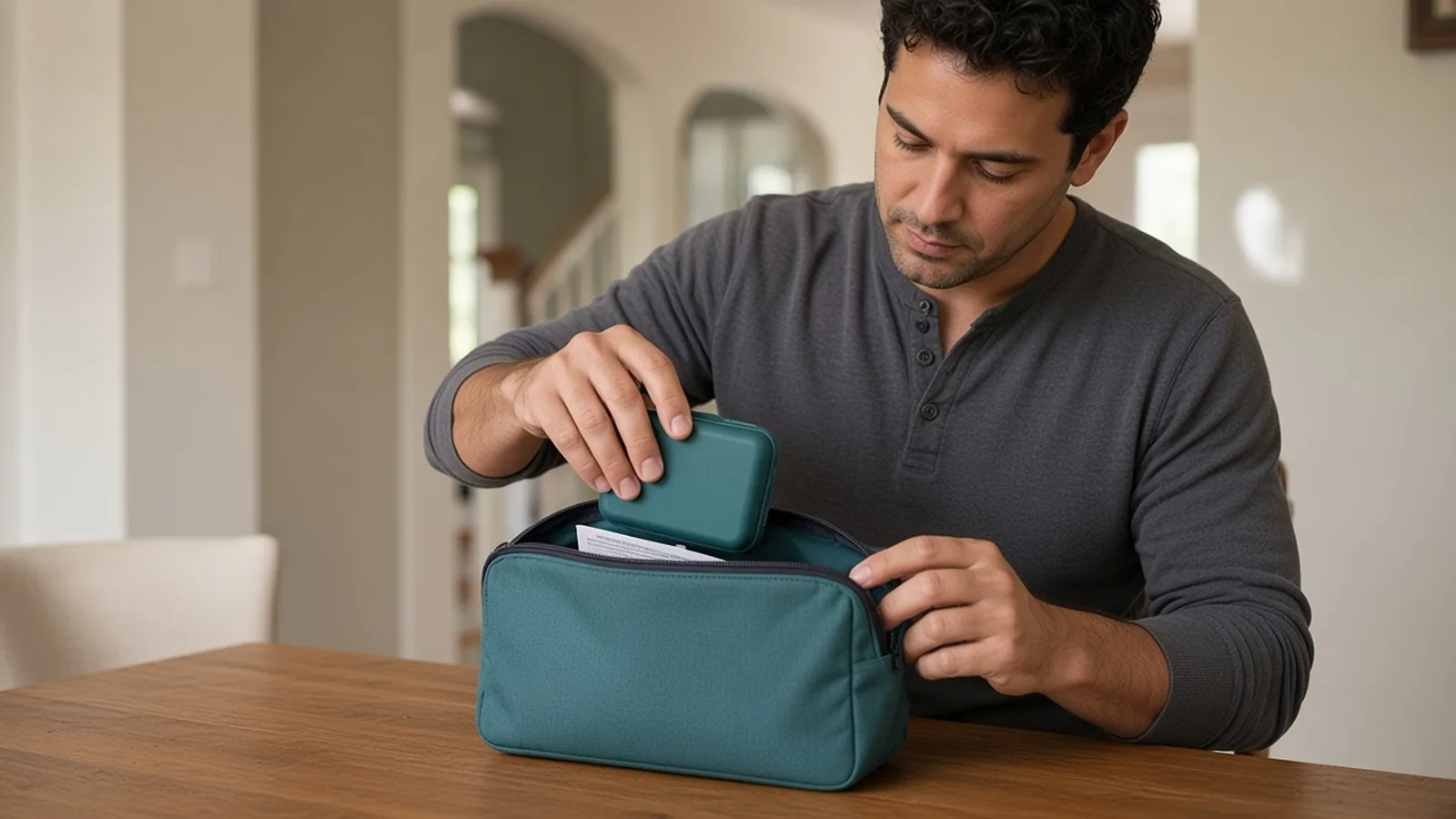
- FARE says it is critical to carry two epinephrine doses with you at all times, and to keep its care plan with your epinephrine and other prescribed medication (FARE: Traveling).
- The AAP's Allergy and Anaphylaxis Emergency Plan is meant to be given to schools, child care, after-school programs, and anyone who cares for your child (HealthyChildren.org, AAP).
- Kit logistics: if your plan calls for two doses, keep both in the same bag so they travel together, rather than one in a backpack and one in the car.
Asthma
- AAFA says everyone with asthma should have a written Asthma Action Plan, and that it includes medicines and what to do in an emergency (AAFA). Which inhaler or medicine goes in the kit comes from that plan.
- For air travel, TSA recommends, but does not require, that inhalers be labeled (TSA).
- Kit logistics: keep the plan copy and the medicine together, and note on the contacts card where any spacer or other supplies your plan lists are kept.
Diabetes
- The CDC publishes a school-day backpack checklist for diabetes supplies (CDC: Managing Diabetes at School). Review it with your clinician.
- Kit logistics: the Diabetes Medical Management Plan from your child's clinician is the guide (ADA).
Seizure
- The CDC says a seizure action plan should include instructions for rescue medicines and contact information for parents and health care providers (CDC).
- The Epilepsy Foundation's camp checklist reminds families to pack medical supplies, including medications and other equipment or medical needs (Epilepsy Foundation).
- Kit logistics: whatever rescue medication your plan lists, keep it with the plan copy, and keep the plan current. The Epilepsy Foundation suggests reviewing it at least once a year or when treatment changes (Epilepsy Foundation).
Heart
- Heart medicine kits vary a lot from person to person, so the written plan from the cardiologist and the medicine's label decide what goes in.
- Kit logistics: the Part 1 basics apply. Plan copy, labeled medicine, contacts card, expiration note.
Other
- WithKit's site lists "other" for whatever prescribed medicine a household names. The same rule applies: the clinician's written plan and the label decide what goes in. The Part 1 basics handle the rest.
Part 3: Keep the kit the kit
A kit stays reliable when it has one home and one routine.
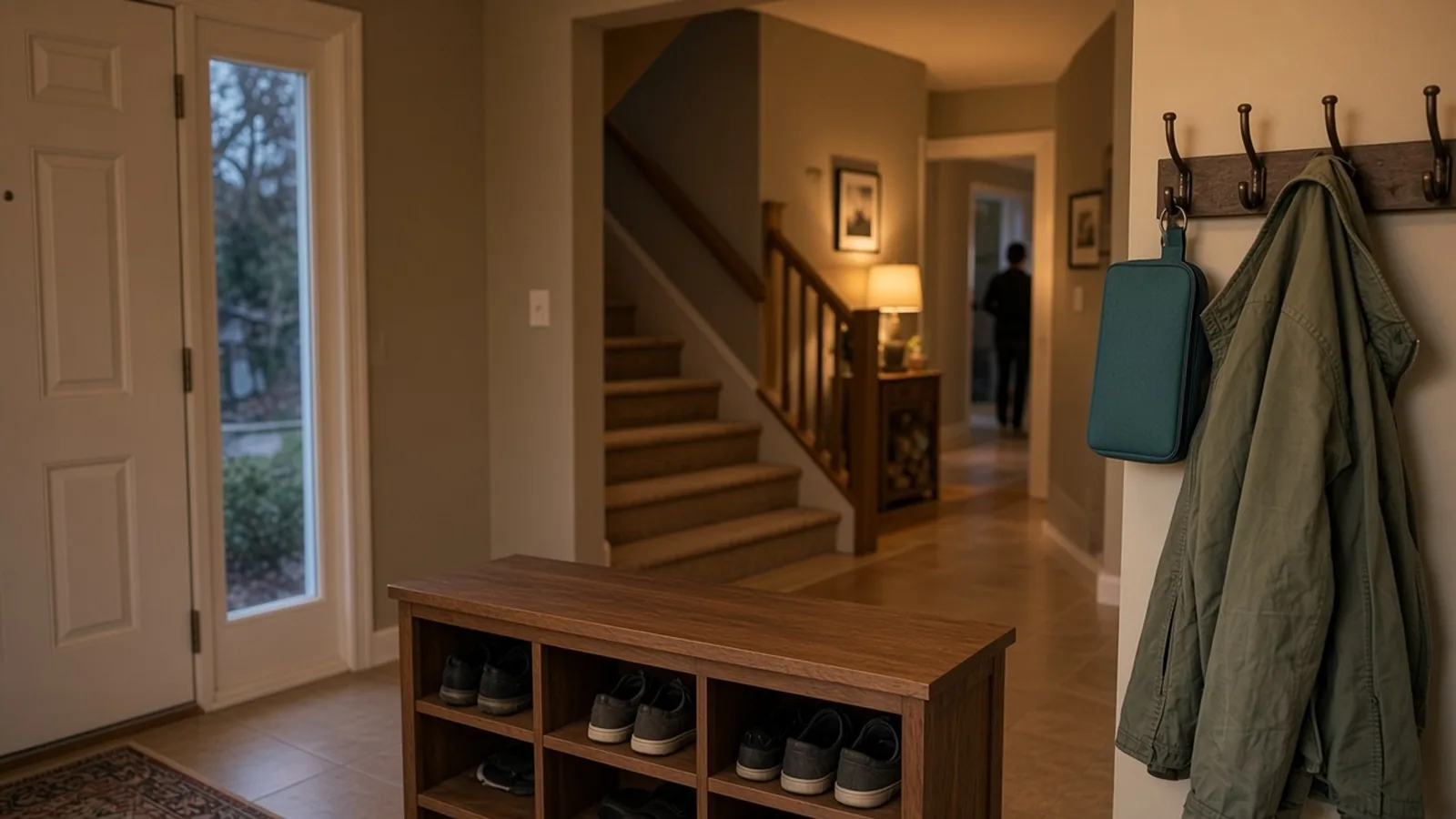
- One home spot. Same hook or shelf by the door, every night.
- A monthly look. Plan copy current, contacts card current, expiration dates checked, nothing borrowed and not returned.
- If you keep more than one kit, for school, a second home, or the car, give each one its own contents card and check them on the same day.
- After any use, follow your plan and talk with your clinician about next steps, then restock before the bag goes out again.
Printable checklist
- Same bag every day, labeled with name and phone.
- Copy of the clinician's written plan, dated.
- Medicine as the plan lists, in labeled packaging.
- Emergency contacts card.
- Expiration dates noted; storage per the label.
- Need-specific items from your plan (see the organizer lists above).
- One home spot; monthly check.
One more option
Once the kit is packed, WithKit's small Bluetooth tag can ride in the same bag and alert your phone if the phone walks away from the kit.
This article shares general logistics tips. It is not medical advice. WithKit is not a medical device. Always follow your written plan and your clinician's instructions.
Sources
- Epilepsy Foundation: Seizure Action Plans
- Epilepsy Foundation: Resources and Seizure Action Plans for Summer Camp
- FARE: Food Allergy & Anaphylaxis Emergency Care Plan
- FARE: Traveling
- American Academy of Pediatrics, HealthyChildren.org: Create an Allergy and Anaphylaxis Emergency Plan for Your Child
- Asthma and Allergy Foundation of America: Asthma Action Plan
- TSA: Inhalers
- CDC: Managing Diabetes at School
- American Diabetes Association: Written Care Plans
- CDC: Epilepsy Guidance for Schools
- CDC Travelers' Health: Traveling Abroad with Medicine
- FDA: Don't Be Tempted to Use Expired Medicines