Back-to-School Medicine Kit Handoff: A Parent Checklist
A parent checklist for the first weeks of school: forms, who holds the medicine kit, the bus, recess, after-care, and the questions to ask the nurse.
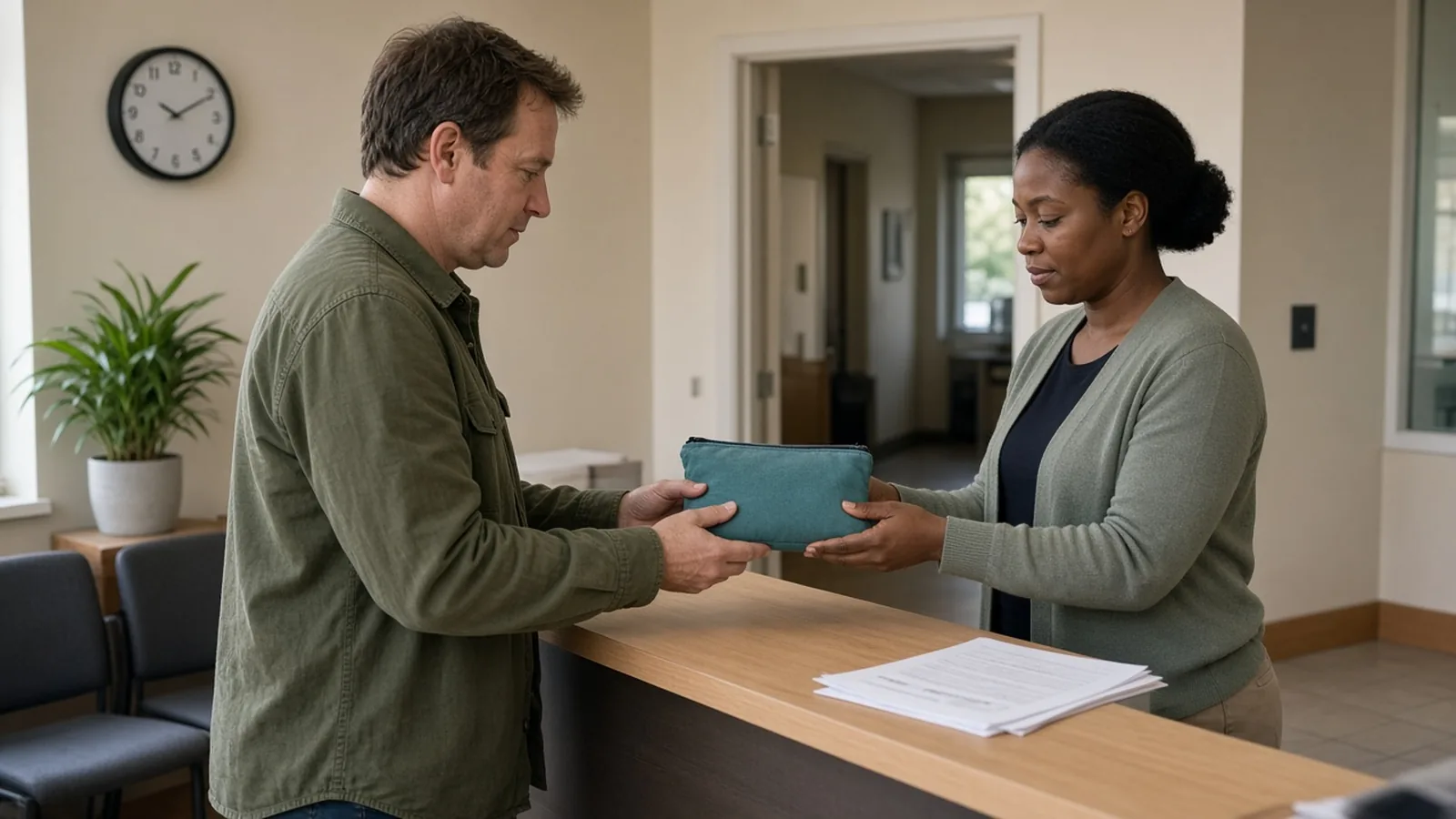
Summer has one or two adults in charge. A school day can have ten.
There is the bus driver, the homeroom teacher, the nurse, the lunch and recess aides, the gym teacher, the art teacher, the substitute, and the after-care staff. If your child carries prescribed medicine, such as an epinephrine auto-injector, an inhaler, insulin and glucagon, or a seizure rescue medication, each of those adults is a handoff. Most of the time the kit lives in one place. The question is whether everyone knows which place, and who brings it along when the day changes.
Here is a checklist for the first weeks of school, built around paperwork, places, and people.
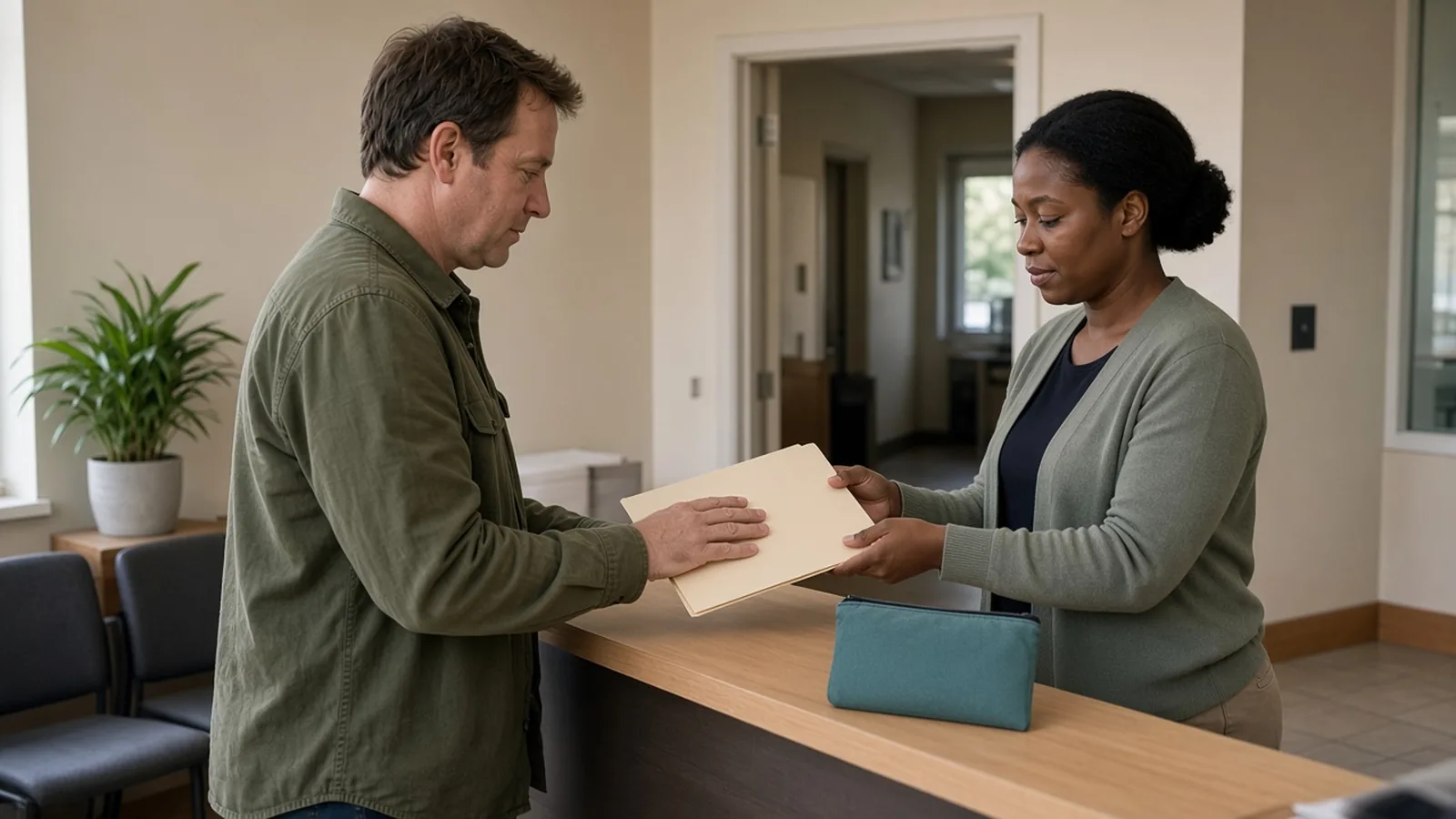
Step 1: Get the paperwork in before the first day
Schools generally want the plan from your child's clinician on file before they can help with medicine. Health groups describe it the same way across needs:
- Food allergy: The American Academy of Pediatrics suggests giving the school an Allergy and Anaphylaxis Emergency Plan signed by your child's doctor, any school-specific forms required to give your child medicine, and the epinephrine itself (HealthyChildren.org, AAP).
- Diabetes: The CDC suggests developing a Diabetes Medical Management Plan with your child's doctor before the year begins, then reviewing it with school staff. It says anyone responsible for your child during the day and after school should be familiar with it (CDC). The ADA describes that plan as the basis for a 504 Plan or IEP (ADA).
- Seizures: The CDC says school nurses should make sure every student with seizures has an action plan that includes instructions for rescue medicines and contact information for parents and providers (CDC). The Epilepsy Foundation offers a school version of its plan (Epilepsy Foundation).
- Asthma: AAFA notes that an Asthma Action Plan also tells teachers, school nurses, and after-school staff about your child's asthma (AAFA).
- Heart and other needs: Ask your child's clinician which plan or form the school should have, and ask the school nurse which forms they need.
Logistics tip: Make three copies of the signed plan. One for the nurse, one inside the kit, one for your own files. Write the date on each so you know which is current.
Step 2: Map where the kit lives during the day
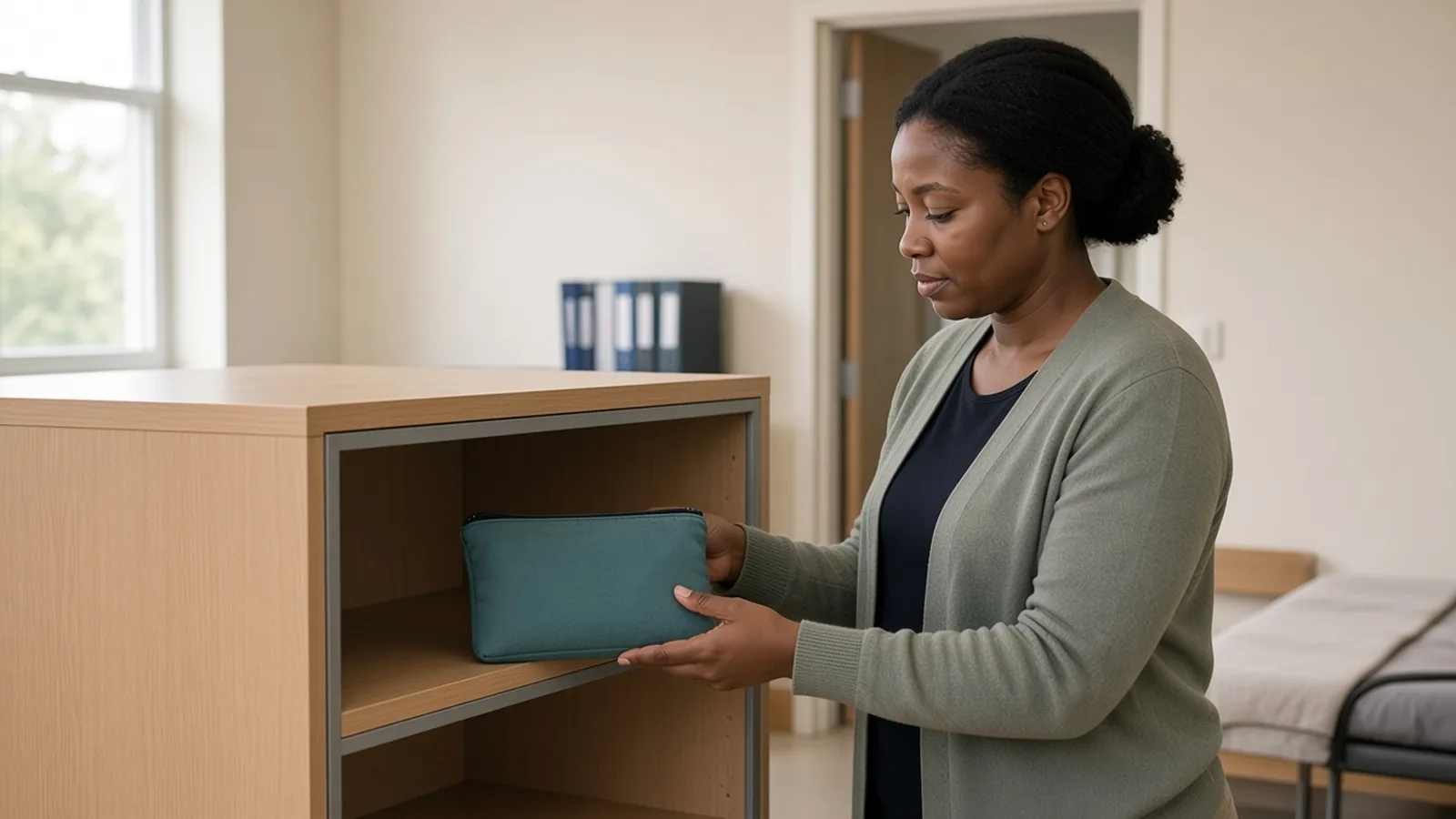
Ask the school a simple question: "Where will my child's medicine be at each part of the day?" FARE puts it this way for epinephrine: know where it is located at school, who has access to it, and who will give it in an emergency (FARE). Write the answers down. A one-page map might look like this:
| Time of day | Where the kit is | Who is responsible |
|---|---|---|
| Bus ride | ||
| Homeroom and class | ||
| Lunch and recess | ||
| Gym and outdoor activities | ||
| Field trips | ||
| After-care or clubs |
Some schools keep medicine with the nurse. Some students carry their own kit, depending on school policy and the clinician's plan. Either way, a filled-in map makes gaps easy to spot. If the answer for recess is "I'm not sure," that is the conversation to have in week one, not week six.
Step 3: Meet the people, briefly
You do not need a long meeting with every adult. You need each one to know three things: that your child has a kit, what it looks like, and where it is.
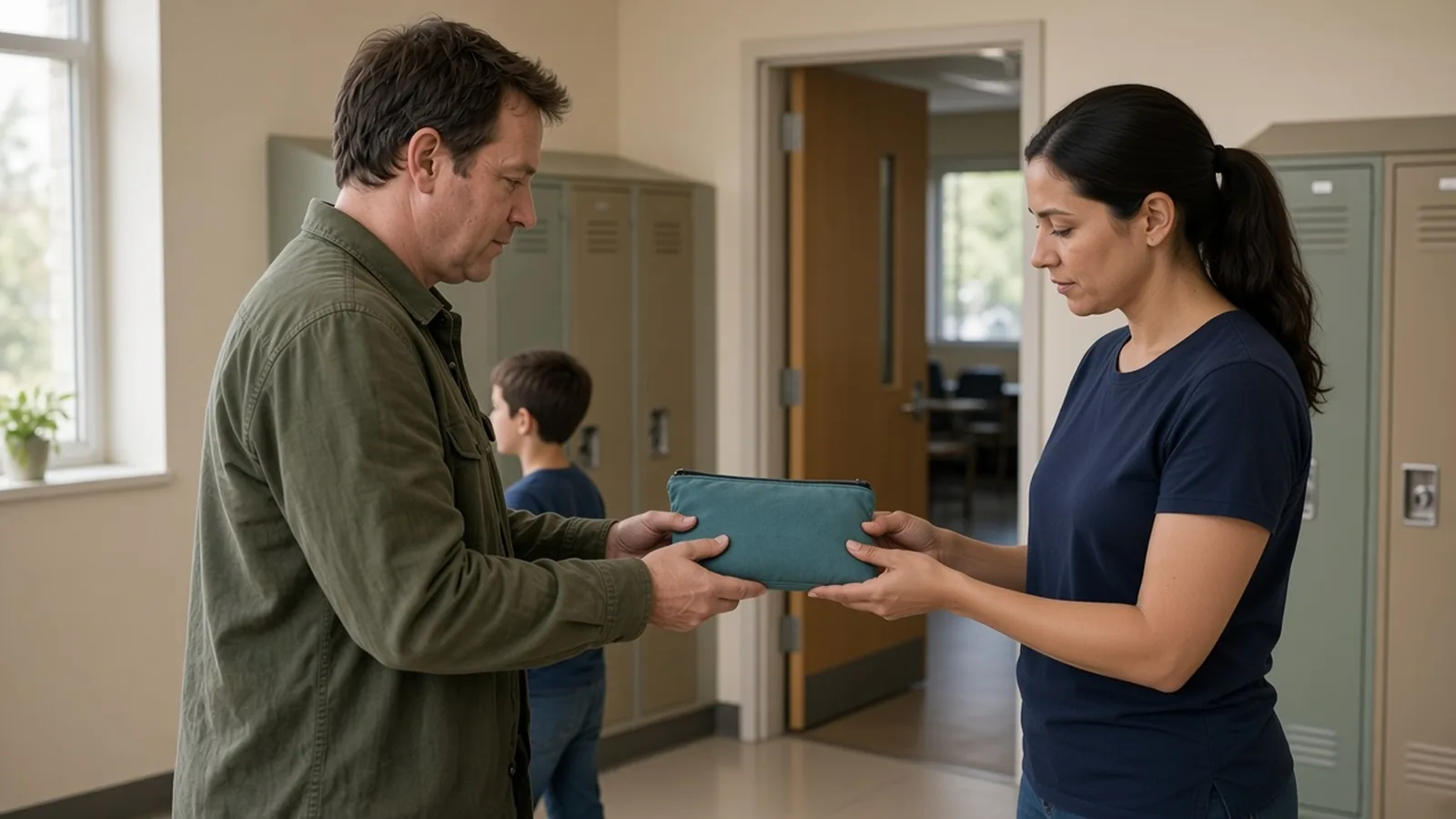
- School nurse. Usually the main contact. The CDC notes that for diabetes, the nurse is usually the main staff member in charge, and that one or more backup employees should also be trained and on site during the day, including after-school activities (CDC).
- Classroom teacher. Ask how a substitute will know. A sticky note in the sub folder that says "kit is in the nurse's office" or "kit is in the blue pouch on the backpack" goes a long way.
- Bus driver. The CDC's school guidance for epilepsy notes that teachers, bus drivers, and other staff can learn how to support students with seizures (CDC). Ask the school how bus staff are told about students who carry medicine.
- After-care and clubs. These are often run by different staff or an outside program. They may not see the nurse's file. Bring them their own copy of the plan if the school allows it.
Step 4: Plan for the days that are not normal
Kits get left behind on days that break the routine:
- Field trips. FARE reminds parents that kids ride buses on field trips and some after-school activities, not just to and from school (FARE). The ADA's Safe at School pages note that a child's diabetes care needs extend to field trips and extracurricular activities (ADA). For any need, ask who carries the kit on the trip and get a name.
- Fire drills and lockdowns. Ask whether your child's medicine leaves the building with them, and with whom.
- Picture day, assemblies, and class parties. Different rooms, different adults.
- Substitute days. See the sub folder note above.
Step 5: Do a week-two check
After the first week or two, check in once:
- Is the kit where the map says it is?
- Has every adult on the map actually seen it?
- Does your child know where it is at each part of the day?
- Is the plan on file the same version as the one in the kit?
The AAP points out that as students get older, they can gradually take on more responsibility (HealthyChildren.org, AAP). Asking your child "Where is your kit right now?" is a small way to practice.
The back-to-school checklist
- Signed plan from your child's clinician, three dated copies.
- School medicine forms completed and turned in.
- Self-carry form, if your child carries their own kit and the school allows it.
- Kit labeled with your child's name and a contact number.
- Kit map filled in for bus, class, lunch, recess, gym, trips, and after-care.
- Nurse, teacher, bus, and after-care staff each know where the kit is.
- Sub folder note in place.
- Field trip and drill plan confirmed.
- Week-two check done.
One more option
For the after-school pickup, WithKit's Hand off lets a teacher scan a kit QR, good for today only, so the adult who has your child hears the leave-behind alert.
This article shares general logistics tips. It is not medical advice. WithKit is not a medical device. Always follow your child's written plan and their clinician's instructions.
Sources
- American Academy of Pediatrics, HealthyChildren.org: Managing Food Allergies at School: Information for Families
- CDC: Managing Diabetes at School
- CDC: Epilepsy Guidance for Schools
- American Diabetes Association: Written Care Plans
- American Diabetes Association: Safe at School
- Epilepsy Foundation: Seizure Action Plans
- Asthma and Allergy Foundation of America: Asthma Action Plan
- FARE: Getting Started at School